To use a pole strap or not to use a pole strap? That is the question. As a child, I broke my arm clean in two when my ski pole snapped both bones in my forearm on a foggy day in Duved. Since that day, I basically never use pole straps on the downhill—but they can be worth their weight in gold when I’m double-poling long distances or skinning uphill. Provided that avalanche danger is not lurking in the terrain.
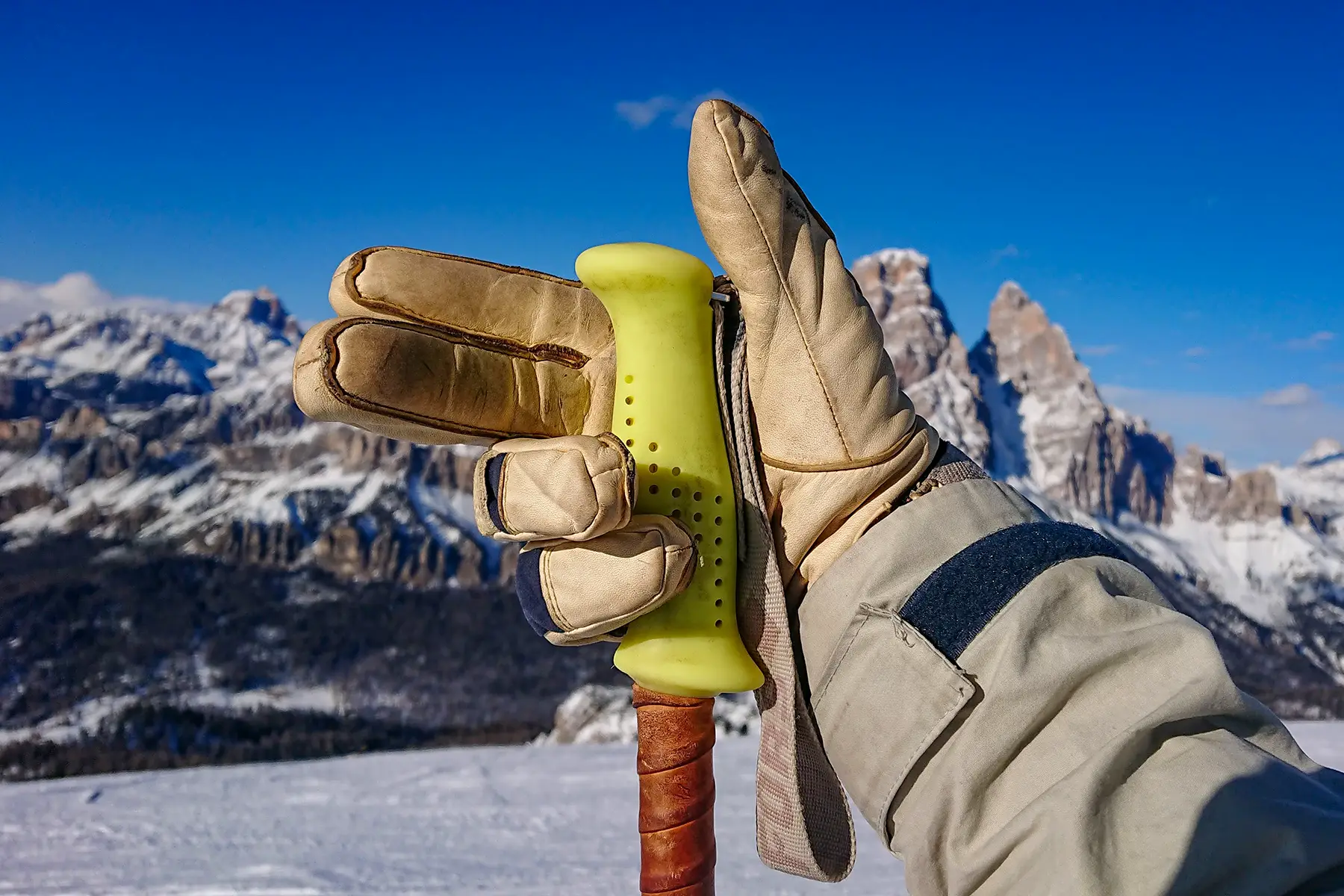
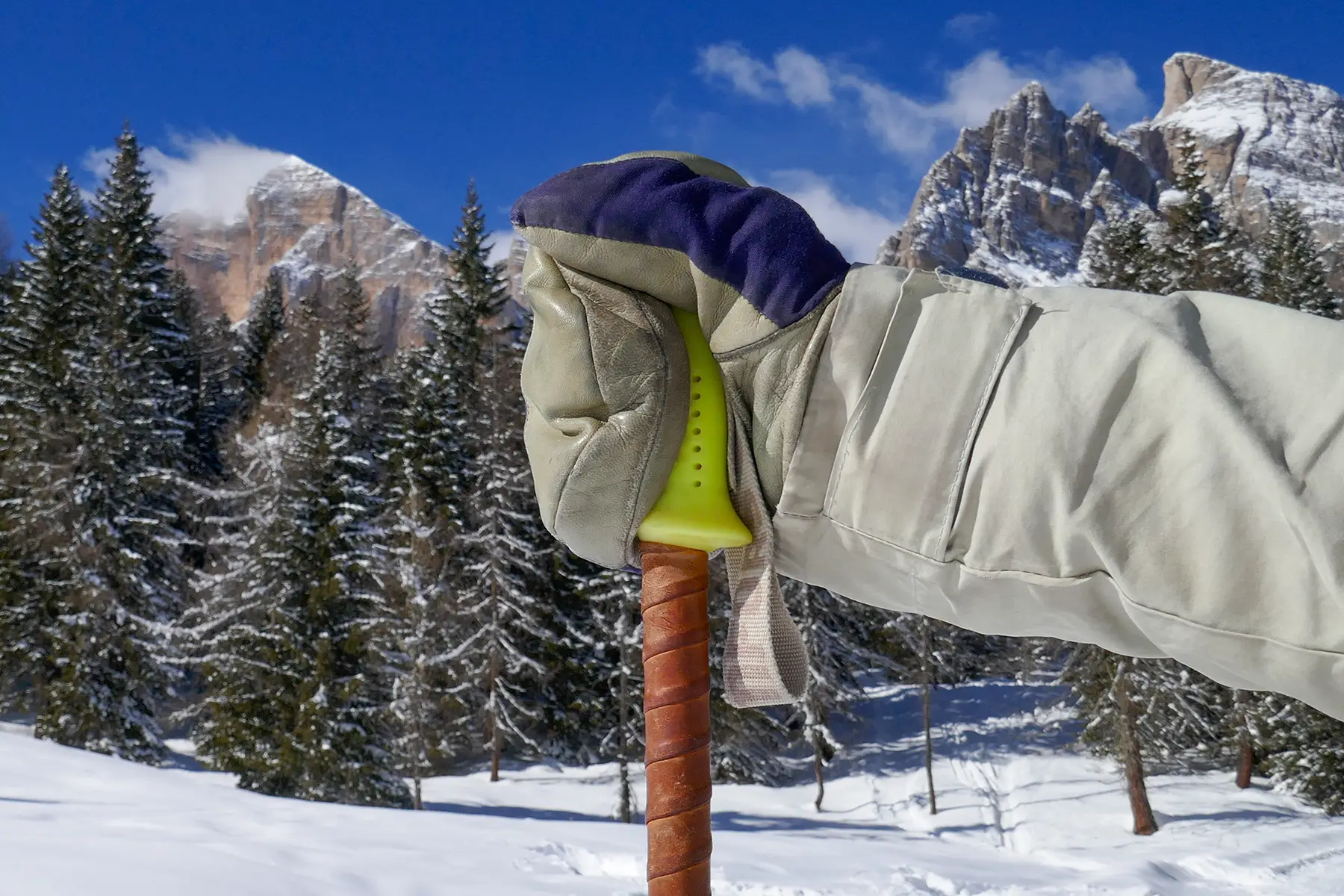
Many people remove the straps from their ski poles, and the arguments vary—from the risk of them getting caught in branches to the possibility of pulling you down in an avalanche. Personally, I keep the straps on. Even though I never use them on the descent, I also never let them flap around where they could snag on something. I simply hold my hand around both the grip and the strap. And if a long, flat stretch calls for plenty of double-poling, my wrist might slip into the loop to make it easier.
How to attach a strap to classic touring poles
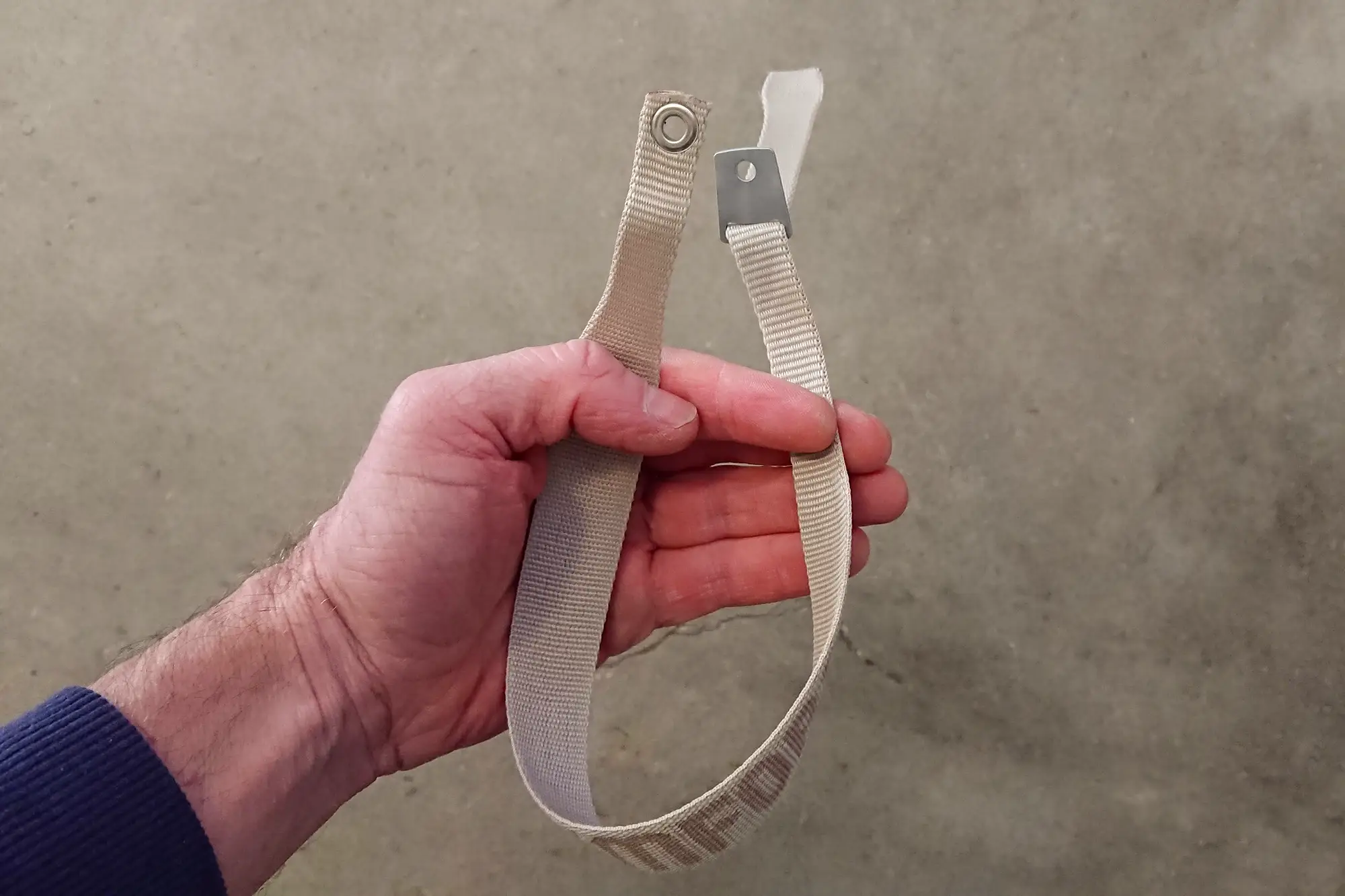
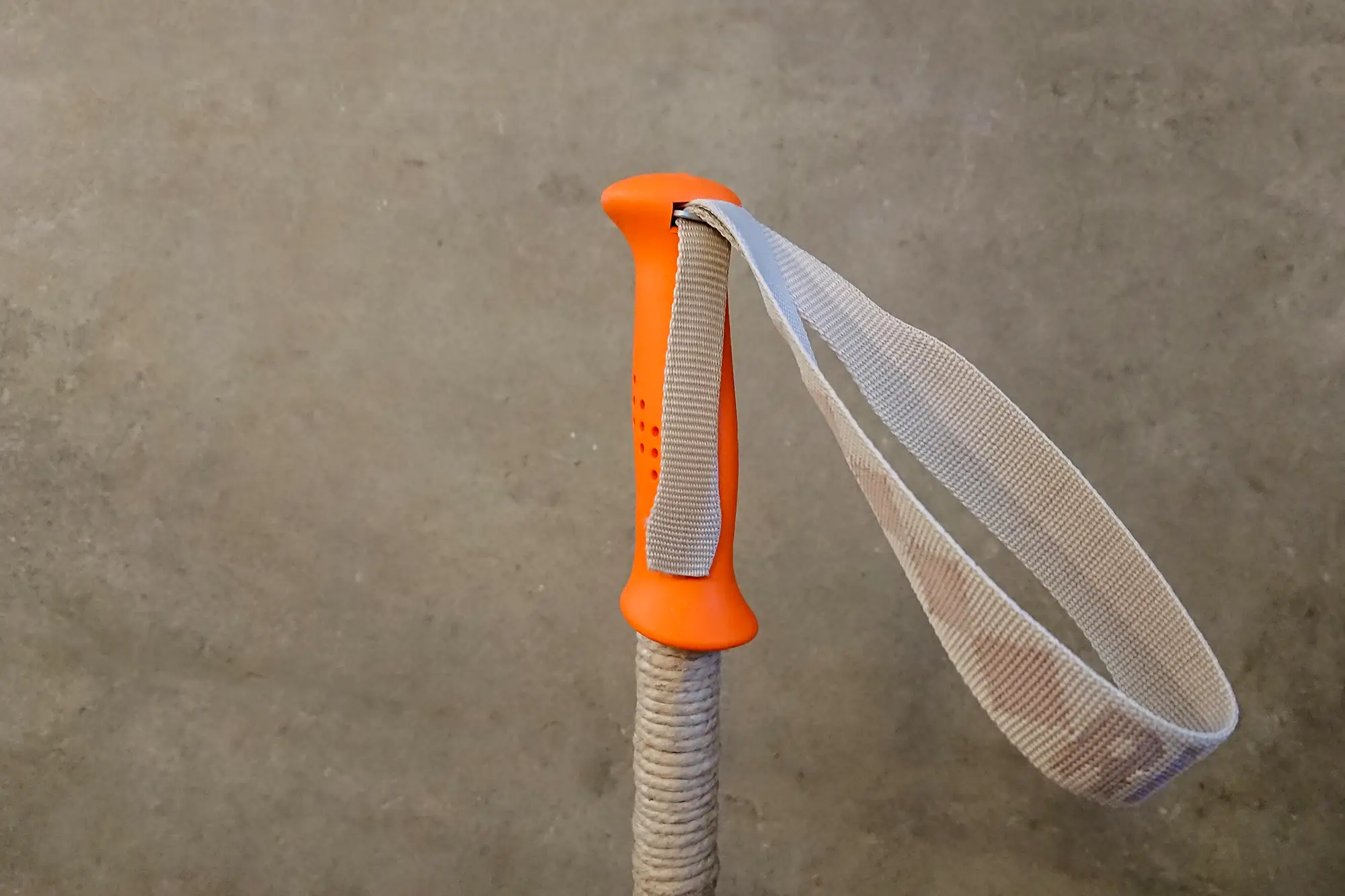
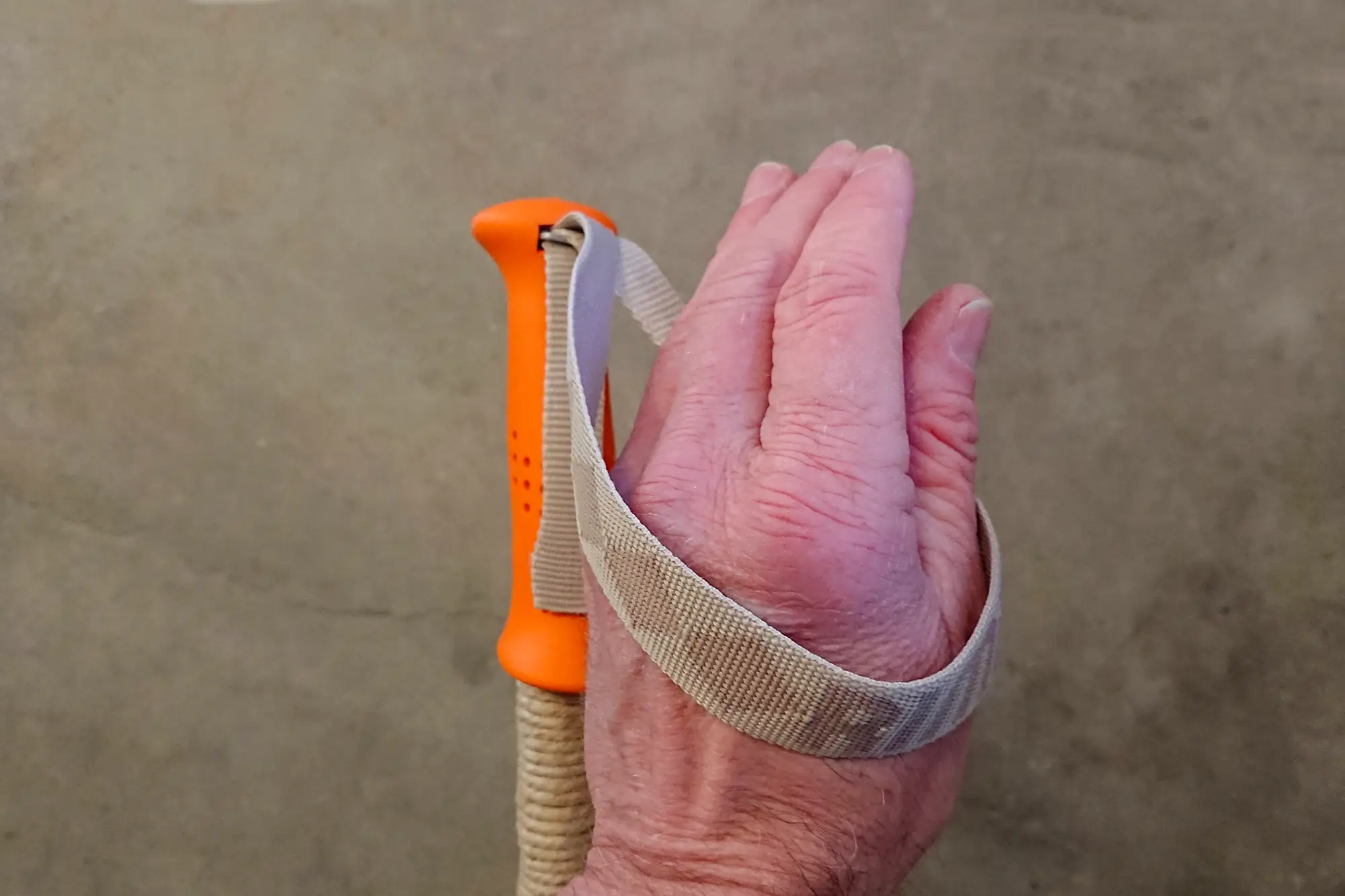
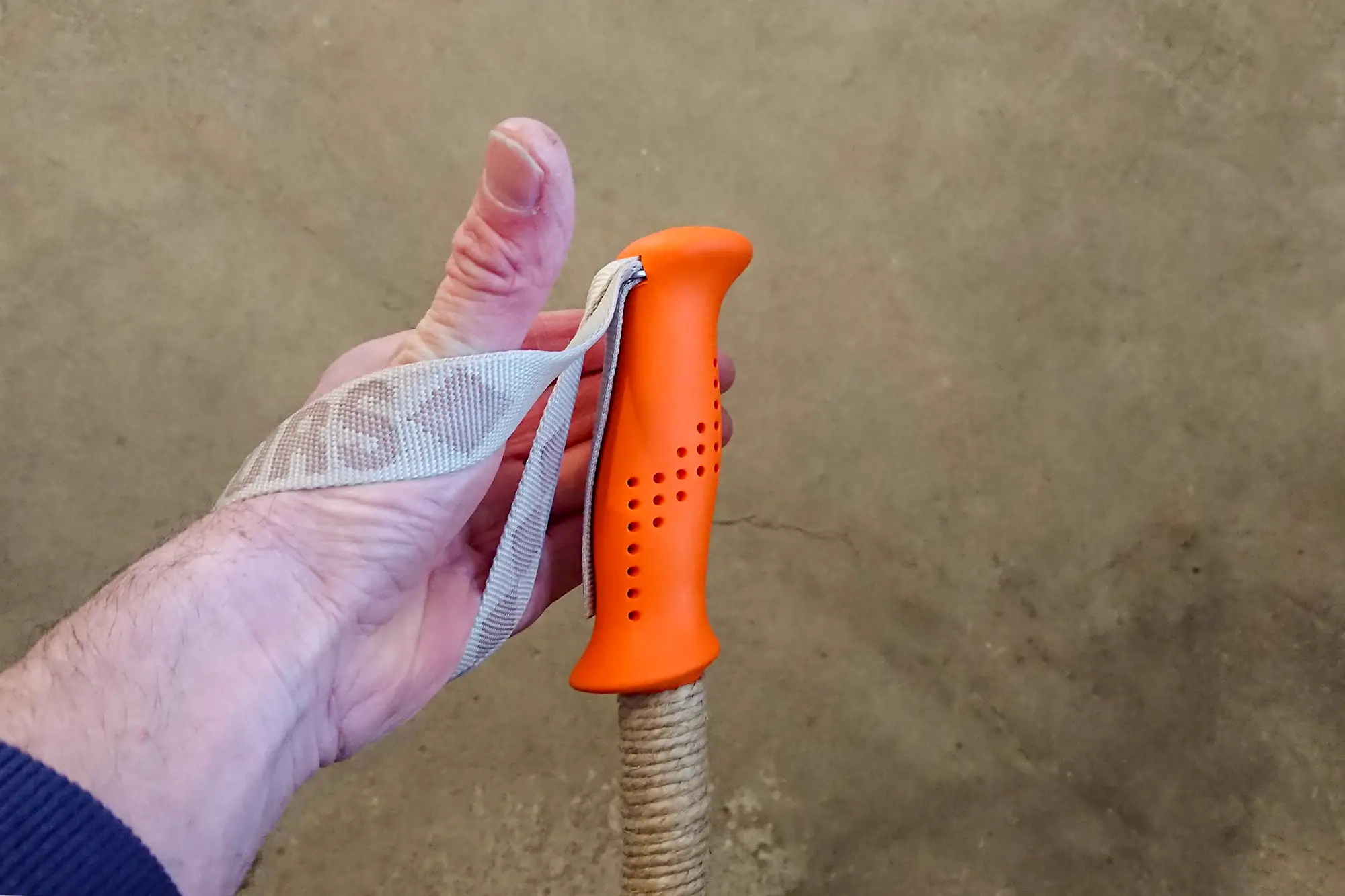
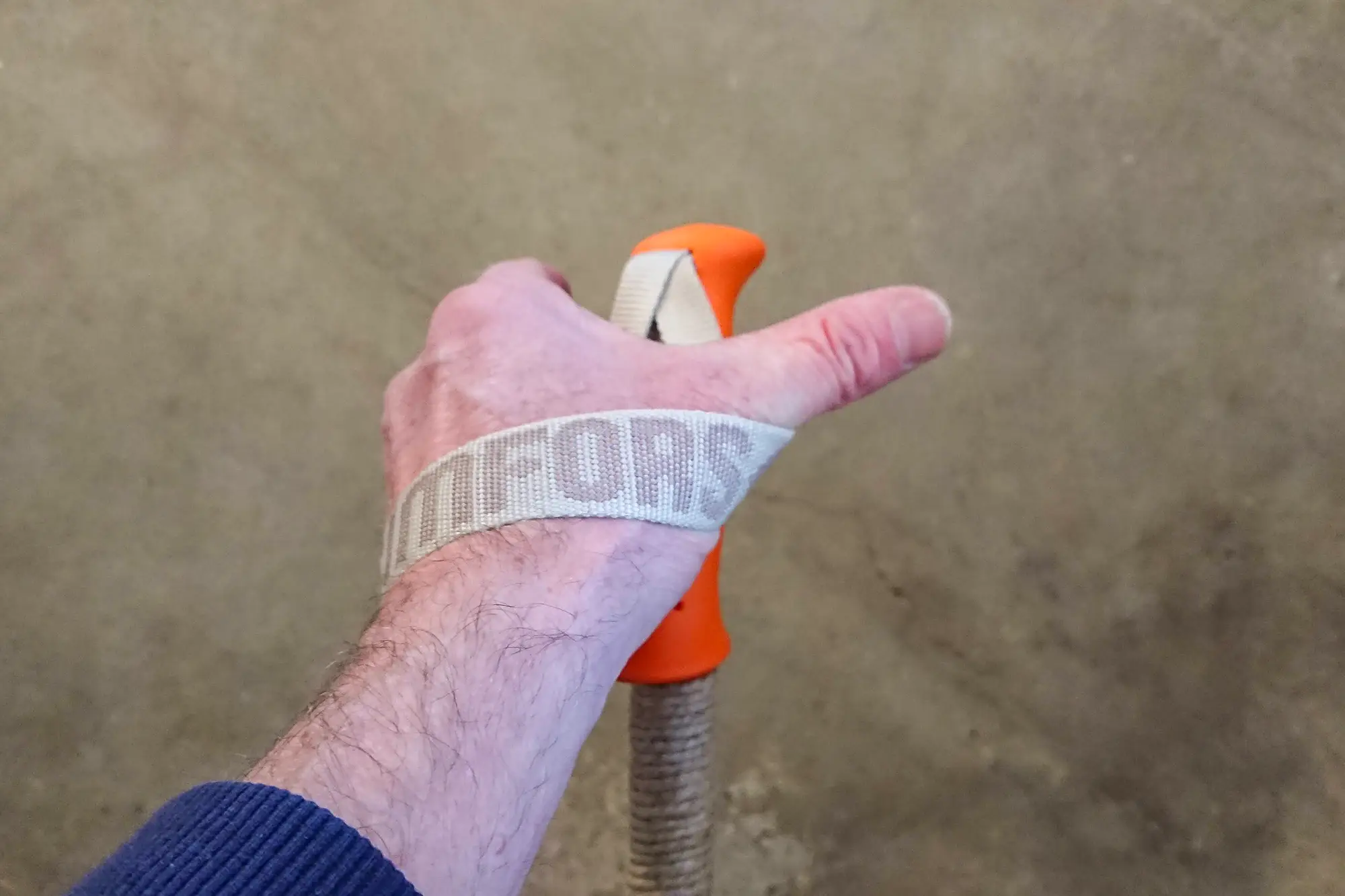
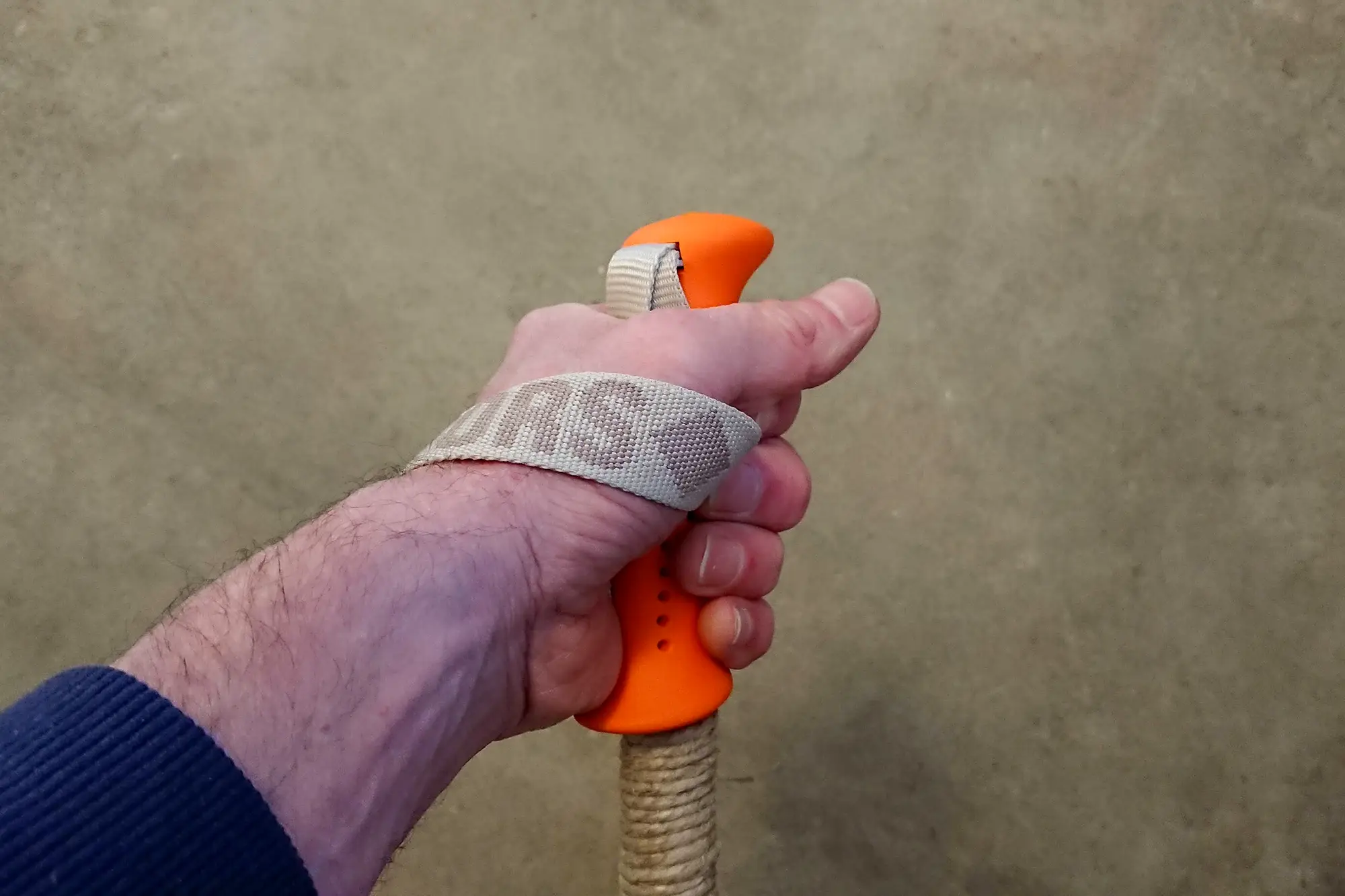
There’s no denying that double-poling is easier with a strap. If you rely more on poling than on gravity to move forward, it’s usually best to mount the straps in a specific way. On alpine ski poles, the strap is typically attached “straight,” without twisting any part of it as it’s mounted. But on traditional classic cross-country and touring poles, you twist half of the strap a half turn before mounting it. That way, there won’t be a fold or crease in the strap when you grip the handle—which is comfortable if you’re wearing thin gloves or skiing barehanded.
Around 95 percent of the poles I make are for skiing in alpine terrain. But every now and then I get orders for traditional touring poles, and then I always mount the strap with a half twist at the upper end where it’s mounted with a screw into the handle—half a turn to the right on one pole, and half a turn to the left on the other. To avoid creases, though, you need to step into the strap correctly—that is, from underneath. Sounds complicated? Take a look at the pictures!
Have a great ski!
Fabian Rimfors
Mounting a ski pole strap for classic ski touring